GO (GOLANG) EĞİTİMİ
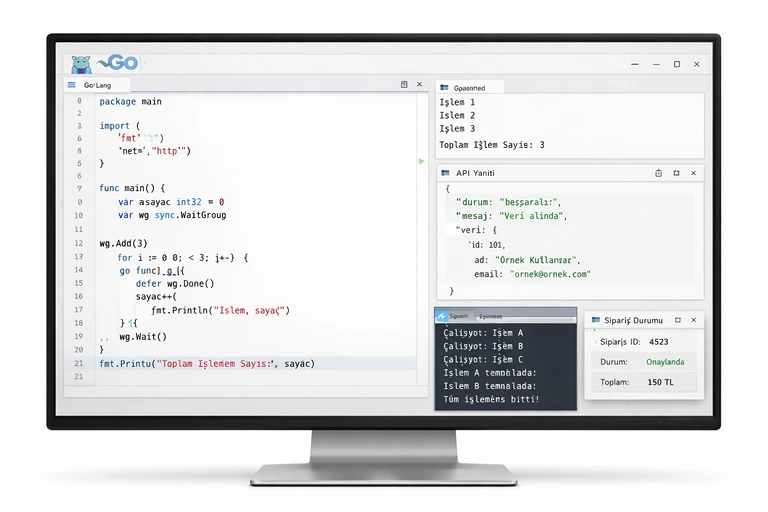
Go (Golang) Eğitimi, dilin sade yapısını gerçek projelere taşıyarak katılımcılara net bir geliştirme alışkanlığı kazandırır. Katılımcılar, az ve okunabilir kodla güvenilir uygulamalar yazmayı öğrenir.
Bu Go kursu, eşzamanlı çalışan işlerin nasıl tasarlanacağını ve yönetileceğini somut örneklerle ele alır. Katılımcılar; bağımlılık yönetiminden test ve performans ölçümüne kadar uzanan konularda üretim seviyesinde Go kullanmaya yetkinleşir, ayrıntılar için resmi Go dokümantasyonundan yararlanabilir.
Go (Golang) eğitimini şirketinize özel planlayalım. 0212 951 0608 · Teklif isteyin
Katılımcı Profili
Bu eğitim, Go'nun sade ekosistemini ölçekli sistemlere taşımak isteyen rollere yöneliktir:
- Backend Mühendisleri: Yüksek concurrency'li servis yazan ekipler
- DevOps Mühendisleri: CLI ve internal tooling yazan roller
- Cloud Native Geliştiriciler: Kubernetes operator ve controller geliştiren mühendisler
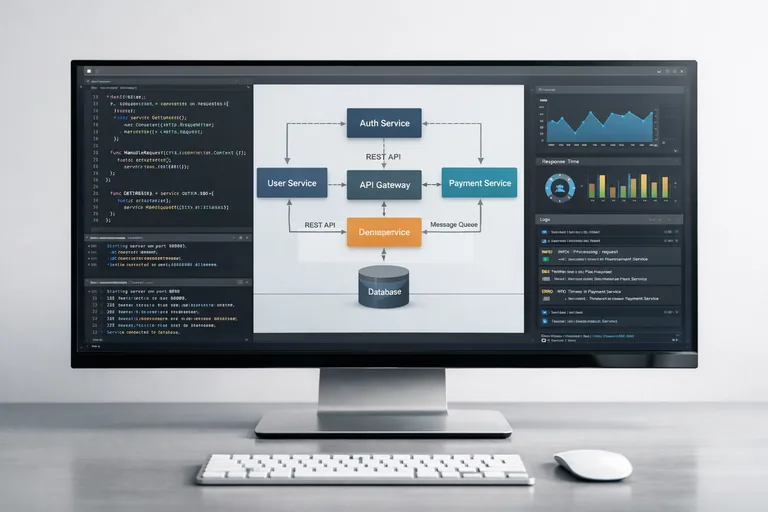
- Microservice Geliştiriciler: gRPC tabanlı dağıtık sistem kuran ekipler
- Performans Mühendisleri: Düşük latency hedefiyle Go tercih eden roller
Ön Gereklilikler
Bu eğitime katılım için aşağıdaki ön bilgiler önerilir:
- Herhangi bir dilde temel programlama (variable, loop, function) deneyimi
- HTTP, REST API ve JSON kavramlarına aşinalık
- Komut satırı (Bash veya PowerShell) ile rahat çalışma
- Git ile temel sürüm kontrol akışı
- Concurrent programlamaya (thread, async) genel ilgi
Süresi ve Tarihi
Süre: 3 gün. Bu süre standart program içindir; ek modüllere ve hedefe göre süre özelleştirilebilir.
Eğitim tarihleri ve saatleri, ekibinizin uygunluğuna göre birlikte planlanır.
Kazanımlar
Bu eğitim sonunda katılımcı, Go'nun sade söz dizimini production ölçeğine taşıyabilir:
- Goroutine ve channel ile concurrent program tasarlar
- sync.Mutex ile channel arasında doğru senaryo seçimi yapar
- context.Context ile cancellation ve timeout'ı zincire propagate eder
- Error handling'i panic yerine wrap/unwrap pattern ile yönetir
- Interface'i implicit implementation ile pragmatik kullanır
- Go modules ile dependency'i go.sum üzerinden bilinçli yönetir
- pprof ve trace ile production-grade profiling yapar
Go (Golang) Eğitimi Konuları
1. Go Felsefesi ve Simple by Design
- "Less is more" prensibi ve dil sadeliği
- Go'nun Google'daki çıkış nedeni ve hedefleri
- Java/C# ve Go arasındaki tasarım farkları
- Static binary, fast compile, garbage collection
2. Söz Dizimi ve Temel Tipler
- Variable declaration: var, :=, const
- Basic types: int, float64, string, bool, byte, rune
- Zero value ve initialization
- Type conversion ve type assertion
- iota ile enum benzeri sabitler
3. Slice, Map, Struct
- Array vs slice: length ve capacity
- Slice trick'leri: append, copy, sub-slice
- Map operasyonları ve concurrent map riski
- Struct ve embedded struct (composition)
- Struct tag ve reflection
4. Pointer ve Memory Modeli
- Pointer söz dizimi: & ve *
- Value receiver vs pointer receiver
- Escape analysis ve heap allocation
- new ve make farkı
5. Function ve Method
- Multiple return value ve named return
- Variadic function (...)
- Closure ve function literal
- defer, panic, recover
- Method ve receiver tipi seçimi
6. Interface - Implicit Implementation
- Implicit interface implementation
- Empty interface (interface{} ve any)
- Type assertion ve type switch
- Interface segregation: small interface tercihi
- io.Reader, io.Writer örnek tasarım
7. Error Handling ve Error Wrapping
- error interface ve idiomatik kullanım
- errors.Is ve errors.As
- fmt.Errorf ile %w wrapping
- Custom error type tasarımı
- Panic-recover ne zaman uygun
8. Goroutine ve GOMAXPROCS
- Goroutine: lightweight thread
- GOMAXPROCS ve scheduler
- Goroutine leak tespiti
- M:N scheduling modeli
9. Channel ve Select
- Unbuffered ve buffered channel
- Channel direction (send-only, receive-only)
- select statement ve default case
- Channel close ve range
- "Don't communicate by sharing memory; share memory by communicating"
10. Context Package
- context.Background ve context.TODO
- WithCancel, WithTimeout, WithDeadline
- Value propagation ve anti-pattern
- HTTP request context kullanımı
11. Sync Primitives - Mutex, WaitGroup
- sync.Mutex ve sync.RWMutex
- sync.WaitGroup ile goroutine bekleme
- sync.Once ile lazy initialization
- sync.Pool ile object reuse
- atomic package ile lock-free
12. Package, Module, Import
- Package convention ve naming
- go.mod ve go.sum dosyaları
- Semantic Import Versioning
- Vendor mode ve module cache
- Internal package ile görünürlük
13. Generics - Type Parameters
- Type parameter söz dizimi
- Type constraint ve interface
- Built-in: comparable, any, ordered
- Generic function vs concrete: trade-off
14. Standart Kütüphane - net/http, encoding/json
- net/http: Server, Handler, ServeMux
- encoding/json: Marshal, Unmarshal
- io, bufio, os paketleri
- time ve duration kullanımı
- strings, strconv yardımcı paketleri
15. Build, Compile ve Cross-Platform
- go build, go install, go run komutları
- GOOS ve GOARCH ile cross-compile
- Build tag ve conditional compilation
- CGO ve native kütüphane çağırma
- Embed directive (//go:embed)
16. Test - testing Package ve Table-Driven
- go test ve _test.go dosyaları
- Table-driven test idiomatic stili
- testing.T ve subtests (t.Run)
- Mock yerine interface bazlı test
- testify alternatifi ve native yaklaşım
17. Benchmark ve Profiling - pprof
- go test -bench ile benchmark
- net/http/pprof ile live profiling
- CPU profile, heap profile, goroutine profile
- go tool pprof ile analiz
- Trace ve flame graph
18. Reflect ve Type Introspection
- reflect.Type ve reflect.Value
- Struct tag okuma
- Reflection maliyeti
- Generic'in reflection'a alternatifi
19. Web Server - chi, gin, echo
- net/http ile minimal sunucu
- chi: middleware-friendly router
- gin ve echo karşılaştırması
- Middleware pattern Go'da
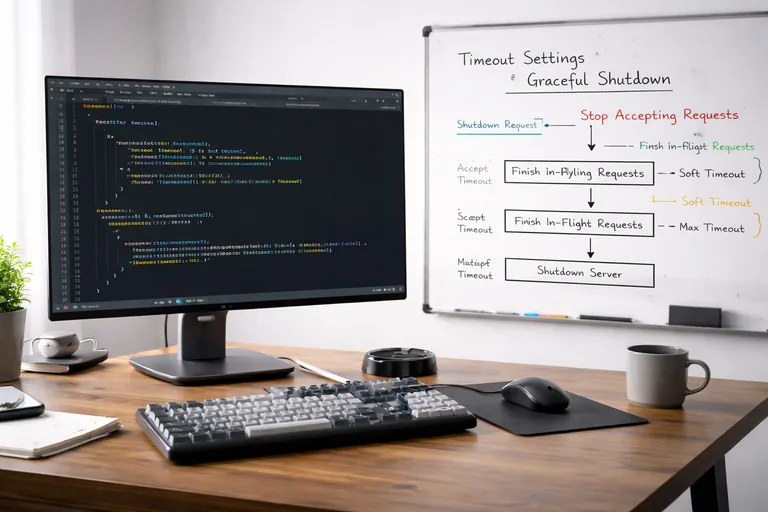
- Graceful shutdown
20. Deployment - Statik Binary ve Container
- Static binary avantajı (no runtime)
- FROM scratch Dockerfile
- distroless image kullanımı
- Health endpoint ve graceful shutdown
GO (GOLANG) EĞİTİMİ ile İlgili
Sıkça Sorulan Sorular ve Cevapları
Go (Golang) eğitimini kurumumuza özel planlayabilir miyiz?
Evet. Go (Golang) eğitiminin içeriği ve süresi sabit değildir; firmanızın öncelikleri ve katılımcı profiliniz doğrultusunda programı birlikte kurgular, tamamen kurumunuza özel olarak ilerleriz.
Go (Golang) eğitimini hangi illerde veriyorsunuz?
Go (Golang) eğitimini firmanızın bulunduğu yerde, kendi ofisinizde yerinde vermekteyiz; İstanbul, Ankara ve İzmir başta olmak üzere Türkiye'nin tüm illerine gelmekteyiz. Tercih eden kurumlara eğitimi canlı online olarak da sunmaktayız.
Go (Golang) eğitimini online veriyor musunuz?
Evet. Go (Golang) eğitimini canlı online formatta da vermekteyiz; ekran paylaşımı ve uygulamalı oturumlarla Türkiye'nin her ilinden katılım sağlanabilir. İçerik ve takvim yine kurumunuzun ihtiyacına göre planlanır.
Go (Golang) eğitimi çalışanlarımızın seviyesine göre uyarlanıyor mu?
Evet. Eğitimin başında, ihtiyacınıza bağlı olarak bir seviye tespiti yapmakta ve katılımcıların mevcut bilgisine göre ilerlemekteyiz. Böylece konuya yeni başlayanlar da, deneyimli olanlar da aynı eğitimden verim alır.
Go (Golang) eğitimi projemiz üzerinden ilerleyebilir mi?
Eğitim, kendi projeniz veya kullanım senaryonuz üzerinden ilerleyebilir. Bunun için teklif öncesinde projenizi bize iletmeniz ya da tarif etmeniz gerekmektedir; böylece eğitimi gerçek işinize göre kurgularız.
Go (Golang) eğitmenleriniz hakkında bilgi alabilir miyiz?
Eğitmenlerimiz yazılım geliştirme alanında sahada deneyimli, Go (Golang) ile gerçek projeler geliştirmiş yazılımcılardır. İhtiyacınıza ve hedefinize en uygun eğitmeni sizinle eşleştiriyoruz.
Katılımcılarımıza sertifika veriliyor mu?
Evet. Eğitimi tamamlayan katılımcılarımıza katılım sertifikası vermekteyiz. Sertifika, eğitimin adını ve katılımcının bilgilerini içerir; kurumunuzun talebine göre dijital veya basılı olarak iletilir.
Go (Golang) eğitiminin fiyatı ne kadar?
Go (Golang) eğitimi kurumlara özel planlandığı için sabit liste fiyatı yoktur. İstekleriniz ve kapsam doğrultusunda bir teklif hazırlayıp fiyatla birlikte size iletmekteyiz.
Go ekibiniz için kapsamı netleştirelim ve eğitimi planlayalım.
0212 951 0608 · Kurumsal teklif